Wind power for greener energy
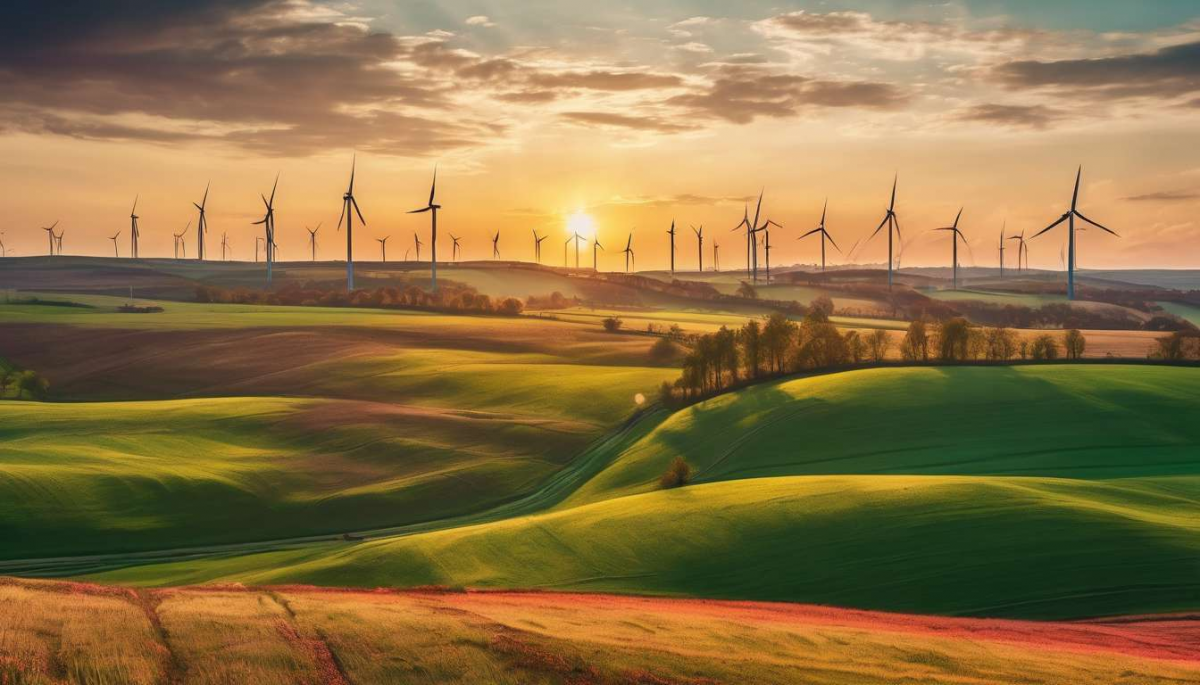
Key advancements in renewable energy technologies raise the question: Can wind power effectively replace traditional energy sources to combat climate change?
As global demand for clean and sustainable energy solutions escalates, wind power emerges as a frontrunner due to its:
- Low environmental impact
- Capacity for large-scale energy production
Recent studies indicate that wind turbines have the potential to satisfy more than one-fifth of the world’s electricity requirements by 2030 if strategic investments and policy support are implemented.
This growing interest in wind-generated electricity stems from:
- The desire to reduce carbon footprints
- The pressing need to address the limitations and environmental concerns associated with fossil fuels
Governments, energy companies, and research institutions are increasingly prioritizing wind power projects. This makes it imperative to explore its viability and sustainability further.
The potential to redefine energy landscapes worldwide lies in the continued innovation and deployment of wind energy technologies.
In this context, Atlas Copco ITBA plays a crucial role in driving technological advancements that support the efficient implementation and maintenance of wind energy systems.
Environmental Benefits of Wind Power
Wind power significantly reduces greenhouse gas emissions and air pollution, contributing to a cleaner and more sustainable environment. As a form of renewable energy, wind power harnesses the natural forces of wind, transforming kinetic energy into electricity without the harmful byproducts associated with fossil fuels.
This process of energy generation aligns with global sustainability goals, aiming to mitigate the environmental impacts of traditional energy sources. By reducing dependency on carbon-intensive power generation, wind power plays a crucial role in combating climate change.
The adoption of wind power technology demonstrates a commitment to innovation within the energy sector. This ongoing development not only enhances efficiency but also ensures a more resilient power grid.
As societies increasingly prioritize environmental responsibility, the integration of wind power into the energy mix fosters a sense of collective participation in the transition to a greener future. By investing in wind power, communities contribute to a shared vision of environmental stewardship, reinforcing global efforts toward sustainability.
Scalability and Energy Production
Wind Power Scalability
Wind power’s scalability allows it to meet increasing energy demands efficiently, making it a viable solution for large-scale energy production. This adaptability is a crucial factor in the transition towards renewable energy sources.
As communities seek sustainable ways to power their growth, wind energy presents a robust alternative, capable of being expanded swiftly to align with global energy needs.
Innovation in Wind Energy
The innovation within the wind energy sector has led to the development of larger and more efficient turbines, enhancing both output and reliability. This progress ensures that wind energy systems can support the infrastructure required for sustainable growth.
Projects can be tailored to specific regional requirements and integrate seamlessly with existing grids, thereby fostering a sense of community inclusion in the renewable energy movement.
Environmental Benefits
The energy produced through wind power not only reduces dependency on fossil fuels but also contributes positively to environmental sustainability.
The commitment to expanding wind energy infrastructure highlights the collective dedication to a cleaner, more sustainable future.
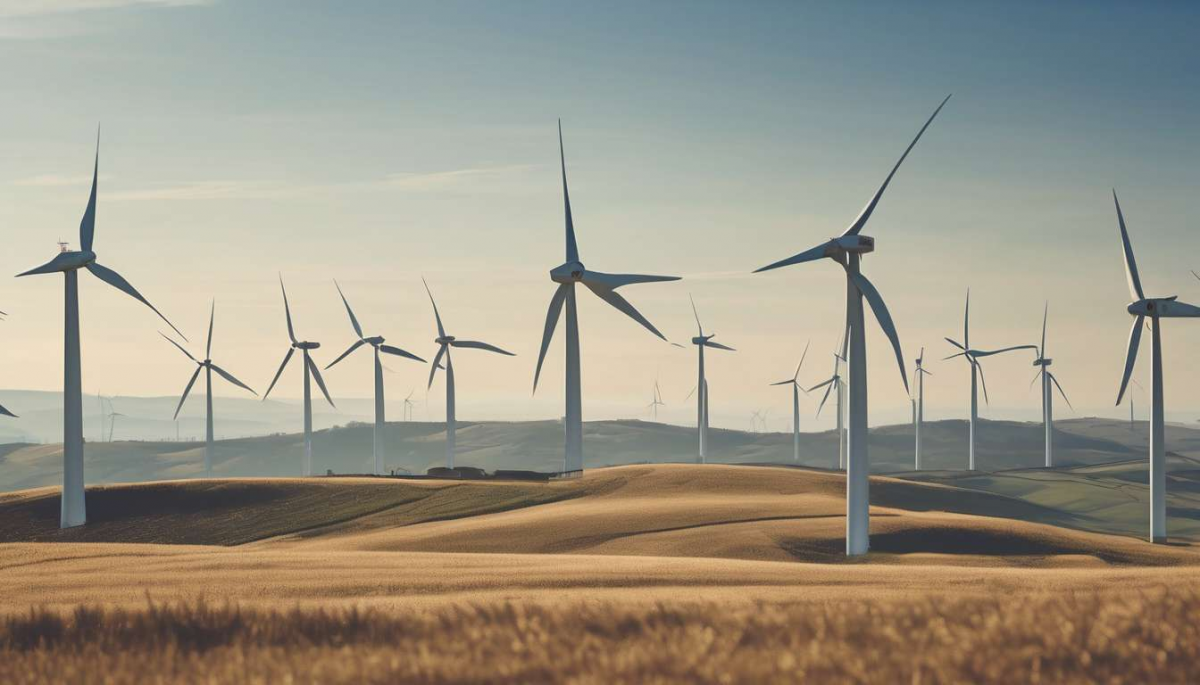
Wind Power’s Projected Global Impact
Wind power is anticipated to significantly influence global energy landscapes by reducing carbon emissions and diversifying energy sources. The integration of wind energy into national grids represents a pivotal shift toward renewable energy, offering a sustainable alternative that aligns with global environmental goals.
As nations strive to fulfill international climate commitments, wind power emerges as a crucial component in achieving a sustainable future.
The projected impact of wind energy extends beyond environmental benefits, encompassing economic and social dimensions.
- Innovation in turbine technology and energy storage solutions contributes to cost reductions and increased efficiency.
- This makes wind power more accessible and economically viable.
This advancement fosters a sense of unity among communities and nations as they collectively work towards a cleaner energy future.
Moreover, wind power enhances energy security by reducing dependency on finite fossil fuels. This shift towards renewable energy sources fosters resilience and stability within energy systems.
As such, wind power not only supports sustainability but also reinforces global efforts towards a harmonious and sustainable energy transition.
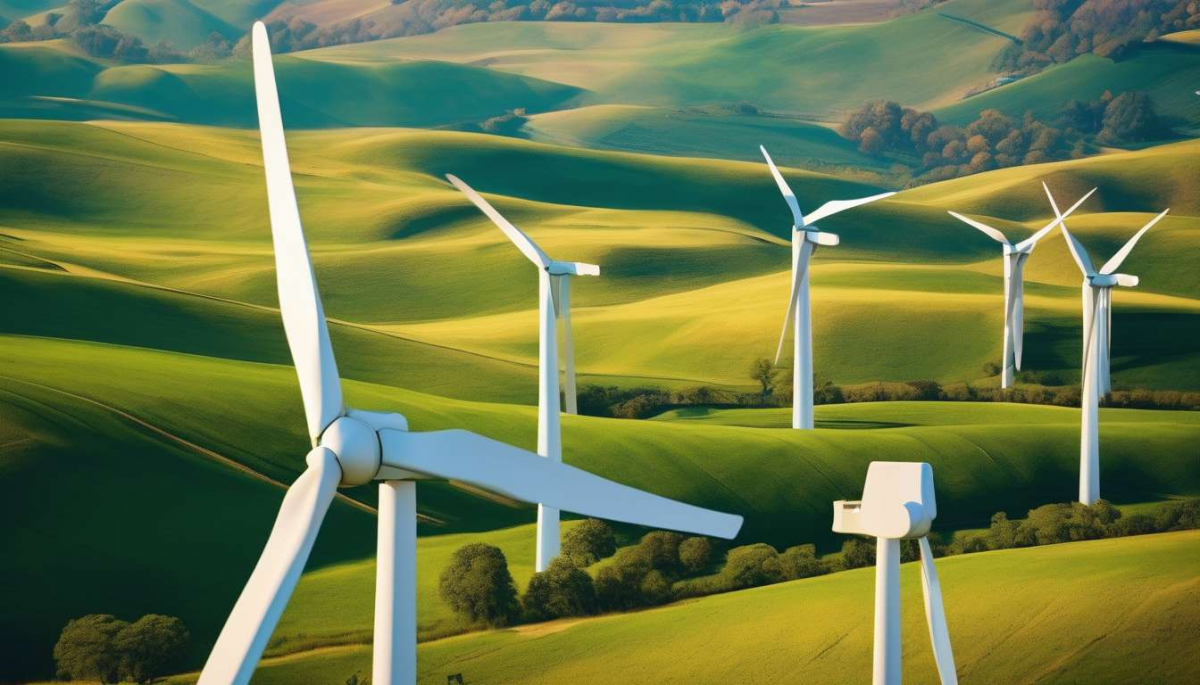
Motivations for Adopting Wind Energy
The growing urgency to combat climate change drives the adoption of wind energy as an integral component of national energy strategies. This shift towards renewable energy sources reflects a collective commitment to sustainability, ensuring a cleaner and more resilient future.
Wind energy, as a key player in the renewable sector, offers significant benefits:
- Reducing carbon emissions
- Decreasing reliance on fossil fuels
These advantages align with global efforts to achieve environmental sustainability and foster a sense of unity in addressing climate challenges.
Innovation in wind technology further motivates this adoption, as advancements:
- Enhance efficiency
- Reduce costs
This makes wind power increasingly competitive with traditional energy sources.
Countries and communities recognize the potential of wind energy to:
- Stimulate economic growth
- Create jobs
- Support energy independence
By embracing wind energy, societies join a global movement towards a sustainable future, reinforcing their commitment to environmental stewardship and technological progress.
This collective endeavor helps to build a sense of shared purpose and belonging among nations.
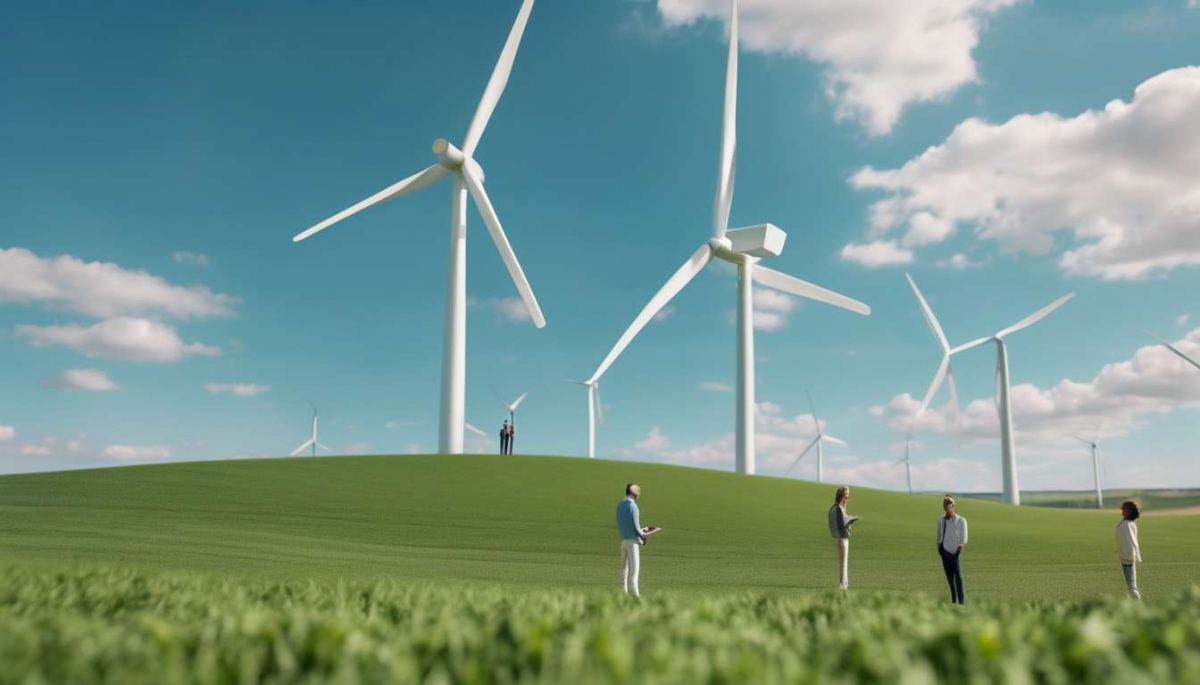
Growing Support for Wind Projects
Numerous governments and private sectors are increasingly investing in wind projects, driven by the growing demand for sustainable energy solutions. This collective movement towards renewable energy reflects a shared commitment to fostering sustainability and environmental responsibility.
As concerns over climate change and depleting fossil fuels escalate, wind energy emerges as a key player in the transition to a cleaner energy future. Recognizing the potential of wind power, policymakers and industry leaders are championing initiatives that align with both economic growth and environmental stewardship.
Collaborative efforts aim to create a supportive infrastructure that encourages continued investment and development in wind energy. The focus on innovation within the sector further enhances its appeal, as advancements promise to:
- Increase efficiency
- Reduce costs
These advancements make wind projects more accessible and viable.
The growing support for wind projects signals a broader societal shift towards embracing renewable energy as a cornerstone for future energy strategies, uniting communities, industries, and governments in pursuit of a sustainable world.
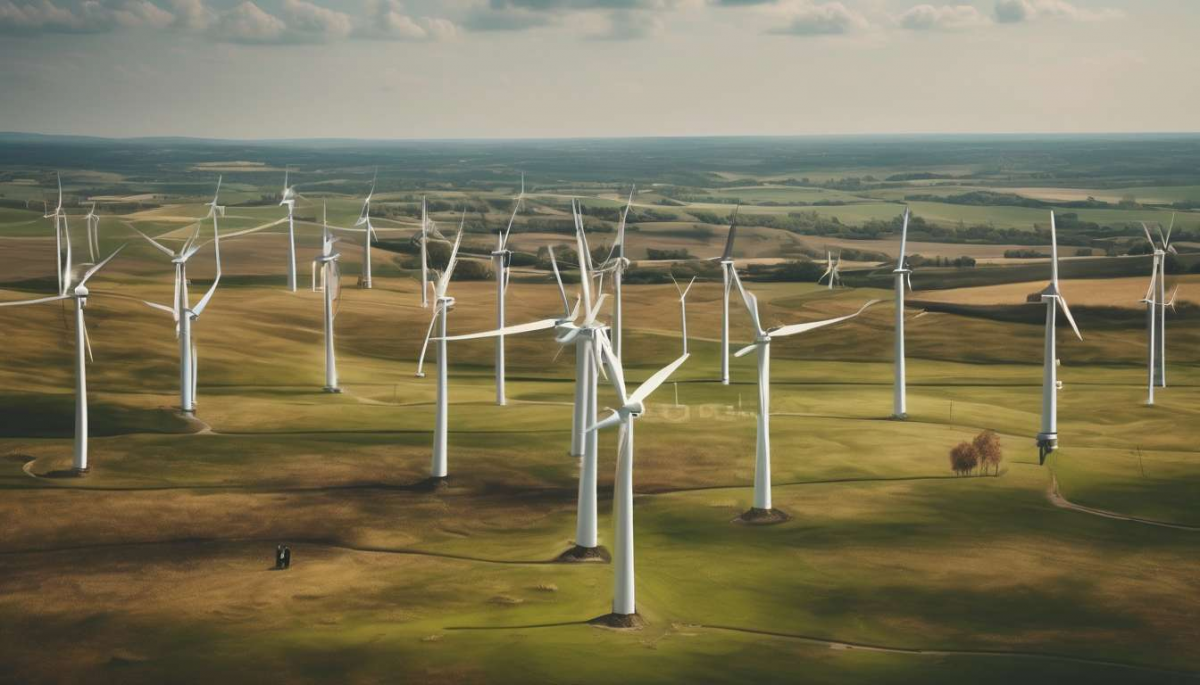
Innovations Shaping Wind Power
Recent Breakthroughs in Turbine Technology
Recent advancements in turbine technology are significantly enhancing the efficiency and cost-effectiveness of wind power generation.
- Advanced materials and aerodynamic designs have enabled the development of larger and more efficient wind turbines, which are capable of capturing more energy from the wind.
These innovations not only lower costs but also minimize environmental impacts, contributing to global sustainability goals.
Digital Technologies and Smart Grid Systems
Digital technologies and smart grid systems are crucial for optimizing wind energy production. They offer:
- Real-time monitoring
- Predictive maintenance
These capabilities ensure maximum uptime and reduce operational costs.
Floating Wind Farms
Floating wind farms represent a significant innovation in the sector. They allow for the harnessing of wind energy in deeper waters, where winds tend to be more consistent and powerful.
Integration of Storage Solutions
The integration of storage solutions, such as advanced battery systems, further enhances the reliability of wind power by addressing intermittency challenges.
Conclusion
As these innovations continue to evolve, wind power solidifies its position as an indispensable component of the global transition towards sustainable and renewable energy sources.